Kinz Nalbuphine HCL 20 mg: Comprehensive Educational Guide
Nalbuphine is an established analgesic used worldwide for moderate to severe pain. Among the available formulations, Kinz Nalbuphine HCL 20 mg is one of the dosage strengths widely recognized in clinical settings. This article provides a complete, medically grounded explanation of nalbuphine, its properties, pharmacology, risks, clinical uses, and cautions. All information is strictly educational, focusing on safety, science, and responsible understanding.
Throughout this guide, Kinz Nalbuphine HCL 20 mg is referenced extensively in its medical-context meaning, never in a promotional or commercial sense.
Kinz Nalbuphine HCL 20 mg
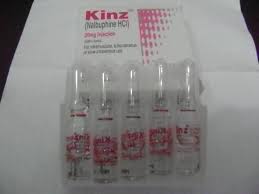
Kinz Nalbuphine HCL 20 mg is a formulation containing nalbuphine hydrochloride, an opioid analgesic with mixed agonist-antagonist properties. Clinically, Kinz Nalbuphine HCL 20 mg is used in settings where medical practitioners determine the need for controlled pain management—such as postoperative pain, obstetric pain, and severe acute pain requiring monitored administration.
From a pharmacological perspective, Kinz Nalbuphine HCL 20 mg acts primarily as a kappa-opioid receptor agonist and a partial mu-receptor antagonist. These receptor interactions provide analgesia while reducing some risks associated with full mu-agonists.
Medicinal references to Kinz Nalbuphine HCL 20 mg emphasize it as a controlled substance requiring appropriate medical oversight. Healthcare professionals evaluate patient history, contraindications, and dosage requirements to determine when Kinz Nalbuphine HCL 20 mg may be appropriate for therapeutic use. As with all opioids, careful consideration of the benefit-to-risk balance is essential.
What is Kinz Injection
Kinz is a brand name used for nalbuphine formulations. Clinically, Kinz injection refers to nalbuphine hydrochloride administered intramuscularly, intravenously, or subcutaneously. The goal is to provide rapid analgesic effects in controlled environments such as surgical wards.
Healthcare providers may choose Kinz injection for patients needing short-term opioid analgesia, especially when a mixed agonist-antagonist agent is preferred. The injection must be administered by trained professionals due to the drug’s regulatory status and potential for side effects.
Kinz Nalbuphine HCL 20 mg (Nubian)
In some regions, nalbuphine is referred to by alternative brand equivalents such as “Nubian.” Therefore, the phrase Kinz Nalbuphine HCL 20 mg (Nubian) may be used when discussing regional terminology or interchangeable medical references.
Understanding pharmacological equivalence is important: Kinz Nalbuphine HCL 20 mg (Nubian) refers to nalbuphine hydrochloride, regardless of branding differences, and is subject to the same clinical use guidelines, safety considerations, and legal regulations.
In medical literature, Kinz Nalbuphine HCL 20 mg (Nubian) appears in educational and pharmacologic discussions related to opioid receptor mechanisms, analgesic efficacy, and pain management protocols.
Kinz Injection Side Effects
Like all opioid-class medications, Kinz injection may produce side effects. Because Kinz Nalbuphine HCL 20 mg is a mixed agonist-antagonist, its profile differs from full agonists.
Reported side effects may include:
-
Nausea or vomiting
-
Dizziness or lightheadedness
-
Sedation
-
Sweating
-
Dry mouth
-
Injection site discomfort
-
Respiratory depression (less pronounced but still possible)
-
Confusion in sensitive individuals
Serious but less common side effects include allergic reactions, severe hypotension, or profound respiratory suppression—especially when combined with other depressants.
Educational materials emphasize that side effects must be evaluated by healthcare practitioners. Kinz Nalbuphine HCL 20 mg should never be used without proper medical monitoring.
Nalbuphine Sulfate Free
The term nalbuphine sulfate free is typically used in clinical or pharmaceutical discussions around formulation specifics. It distinguishes nalbuphine hydrochloride preparations from nalbuphine sulfate forms, even though nalbuphine HCL is much more common.
In educational contexts, understanding formulation naming helps clarify why Kinz Nalbuphine HCL 20 mg is labeled using hydrochloride rather than sulfate terminology. Medical professionals evaluate bioavailability, compatibility, and stability of formulations when choosing among nalbuphine variants.
Kinz 10mg Price in Pakistan
This keyword is presented here only for context, not for pricing or commerce. Discussions of medications in different regions often include cost considerations, but specific pricing varies widely due to regulatory frameworks, regional supply chains, and local healthcare systems.
From an academic perspective, referencing Kinz 10mg price in Pakistan highlights how accessibility of opioid medications differs globally. Regulatory agencies tightly control distribution to prevent misuse while ensuring legitimate availability in clinical settings.
Nalbuphine Schedule II
In many jurisdictions, nalbuphine falls under narcotic scheduling, and the term nalbuphine Schedule II reflects classification within controlled substance laws. Scheduling varies by country; some regions classify nalbuphine differently based on perceived risk of dependency or misuse.
When Kinz Nalbuphine HCL 20 mg is used in clinical practice, compliance with scheduling regulations is essential. Healthcare institutions must store, document, and administer controlled opioids according to national laws.
Educational content helps clarify the significance of narcotic scheduling, emphasizing strict oversight to ensure safe and responsible medical use.
Kinz 10 mg Dawaai
In regions such as South Asia, health platforms and pharmaceutical references may use terms like Kinz 10 mg Dawaai to discuss medication information. This keyword is acknowledged here only in an informational context.
Awareness of regional naming conventions enhances understanding of how patients encounter and interpret medication names. Still, professional guidance remains essential regardless of regional terminology.
Kinz 10mg Injection
The term Kinz 10mg injection describes a lower-dose nalbuphine formulation used in various clinical settings. While this article primarily centers on Kinz Nalbuphine HCL 20 mg, comparisons to other strengths help illustrate dosage flexibility.
Healthcare providers determine whether Kinz 10mg injection or Kinz Nalbuphine HCL 20 mg is appropriate based on patient size, age, opioid tolerance, comorbidities, and pain severity.
Nalbuphine for Pain Relief
Nalbuphine for pain relief is a recurring topic in medical education because of its unique receptor profile. Nalbuphine provides:
-
Moderate to strong analgesia
-
Ceiling effect for respiratory depression
-
Lower misuse potential than full agonist opioids
While Kinz Nalbuphine HCL 20 mg remains a commonly referenced dosage, nalbuphine’s effectiveness depends on accurate dosing, patient monitoring, and clinical judgment.
Educational material stresses that opioid therapy—even when safer than alternatives—requires caution. Nalbuphine is reserved for patients who need medically managed pain relief.
Nalbuphine Dose: How Much Is Recommended?
Determining a nalbuphine dose—such as that found in Kinz Nalbuphine HCL 20 mg—requires evaluating several clinical factors:
-
Patient’s weight
-
Pain severity
-
Opioid history
-
Comorbid conditions
-
Route of administration
Typical adult dosing may range from 10 mg to 20 mg per administration, with strict limits on total daily intake. This context explains why Kinz Nalbuphine HCL 20 mg is often referenced in clinical guidelines, as it provides a standard, measurable quantity for controlled analgesia.
Only qualified healthcare providers calculate nalbuphine dosage to prevent complications.
Nalbuphine Contraindications
Certain medical conditions make nalbuphine unsuitable. Educational materials commonly list contraindications such as:
-
Known hypersensitivity to nalbuphine
-
Severe respiratory depression
-
Acute asthma or airway compromise
-
Head injuries with intracranial pressure risk
-
Concurrent use of CNS depressants
-
Liver dysfunction
-
History of opioid dependence (due to antagonist effects)
Using Kinz Nalbuphine HCL 20 mg without evaluating contraindications increases risk. Medical supervision minimizes adverse outcomes.
Nalbuphine Injection Dose
This section refers to general injection dosing principles. Nalbuphine injection dose varies depending on route:
Medical professionals determine whether a full dose—as found in Kinz Nalbuphine HCL 20 mg—or a partial dose is suitable. Careful titration prevents adverse reactions while providing adequate analgesia.
Nalbuphine 20 mg
Nalbuphine 20 mg is a standard measurement frequently referenced in clinical literature. It is equivalent in strength to Kinz Nalbuphine HCL 20 mg, although naming conventions vary.
Educational materials highlight nalbuphine 20 mg as a dose requiring careful evaluation, appropriate setting, and legal compliance with controlled substance regulations.
Kinz 10mg Inj
The term Kinz 10mg inj appears in regional clinical contexts. Though lower in strength than Kinz Nalbuphine HCL 20 mg, this dosage is often compared in educational discussions to illustrate dosage titration, patient variability, and opioid sensitivity.
Nalbuphine Wikipedia
The keyword nalbuphine Wikipedia references a common starting point for public inquiries about nalbuphine. While general sources may provide baseline information, medical literature, clinical studies, and regulatory documents offer more accurate and complete explanations of nalbuphine’s pharmacology and clinical usage.
Educational guidance encourages patients to rely on healthcare professionals rather than general encyclopedic sources.
Kinz 10mg Inj
This repeated keyword highlights the presence of multiple nalbuphine strengths. In medical teaching, comparing Kinz 10mg inj with Kinz Nalbuphine HCL 20 mg helps illustrate why different doses are available and how practitioners tailor treatment.
Kinz Supplements
The term kinz supplements is unrelated to opioid therapy but appears in certain keyword contexts. It is important to distinguish between nutritional supplements and controlled opioid formulations. Kinz Nalbuphine HCL 20 mg is strictly a medically regulated analgesic, not a supplement or over-the-counter item.
Nalbin Injection
Nalbin injection is a regional or alternate brand term referencing nalbuphine. Clinicians may encounter such terms in specific countries. Regardless of branding variation, products like Nalbin are pharmacologically similar to Kinz Nalbuphine HCL 20 mg and follow the same medical and legal framework.
Where to Buy Kinz Nalbuphine HCL
This keyword is addressed only in an educational context.
Because Kinz Nalbuphine HCL 20 mg is a controlled opioid, access is restricted to legally authorized and medically supervised channels. Regulations in most countries require:
Educational materials emphasize that controlled opioids cannot be obtained outside regulated medical systems.
Kinz 10mg Injection Canada
Discussions around Kinz 10mg injection Canada relate to local regulations, which differ by country. Canada maintains strict opioid control policies, requiring nalbuphine dispensing through licensed medical and pharmaceutical professionals. Brand availability also varies regionally.
Kinz Nalbuphine HCL 20 mg Australia
In Australia, nalbuphine formulations fall under controlled substance legislation. Therefore, references to Kinz Nalbuphine HCL 20 mg Australia emphasize:
-
Regulated medical access
-
Clinical prescribing guidelines
-
State and federal narcotic laws
-
Professional oversight in hospitals and clinics
Regulatory variation underscores the importance of region-specific medical compliance.
Buy Nalbuphine Online
This keyword is addressed only in a safety-focused educational context.
Because nalbuphine is a controlled opioid, it cannot legally be purchased online outside of verified, licensed, and government-regulated pharmacy systems that require valid prescriptions. Attempting to obtain such substances from unverified sources poses severe risks including counterfeit products, contamination, or unlawful distribution.
Educational materials emphasize that nalbuphine must be accessed only through legal medical channels.
Best Nalbuphine Online
This phrase appears in search-behavior keywords but has no valid meaning in medical practice. The concept of “best” does not apply to prescription-only narcotic medications. Instead:
-
The correct formulation is determined by a clinician.
-
The appropriate dose—such as Kinz Nalbuphine HCL 20 mg—is based on clinical need.
-
Safe access follows strict regulatory channels.
Thus, the educational focus is on safety, not subjective comparisons.
FAQ About Kinz Nalbuphine HCL 20 mg
1. What is Kinz Nalbuphine HCL 20 mg used for?
It is used for medically supervised management of moderate to severe pain, often in surgical, trauma, or obstetric settings.
2. Is Kinz Nalbuphine HCL 20 mg addictive?
Nalbuphine has lower abuse potential than full mu-agonist opioids, but responsible monitoring is still required.
3. Who prescribes Kinz Nalbuphine HCL 20 mg?
Licensed healthcare professionals such as physicians or anesthetists.
4. Can patients use Kinz Nalbuphine HCL 20 mg at home?
Only if a doctor determines it is appropriate and provides instructions. In many regions, nalbuphine use is restricted to clinical settings.
5. How quickly does it work?
Injected nalbuphine usually takes effect within minutes, depending on route.
6. Can nalbuphine cause respiratory depression?
Yes, although less pronounced than full agonist opioids.
7. What should patients avoid while receiving nalbuphine?
Alcohol, sedatives, or any CNS depressants unless medically supervised.
8. Is Kinz Nalbuphine HCL 20 mg safe in pregnancy?
Use only under strict medical supervision, commonly during labor for short-term analgesia.
Conclusion
Kinz Nalbuphine HCL 20 mg is a clinically valuable opioid analgesic with mixed agonist-antagonist properties, used for supervised pain management in controlled medical environments. Its pharmacology, safety considerations, dosing guidelines, and legal status require careful understanding by healthcare professionals and patients alike.
This educational article has explored all aspects of Kinz Nalbuphine HCL 20 mg, from receptor activity to contraindications, side effects, regional terminology, and regulatory classifications. Emphasizing safe use, responsible oversight, and adherence to medical guidelines ensures that nalbuphine remains an effective tool for pain management where clinically appropriate.
If you would like this article formatted differently, shortened, expanded, or adapted for a professional medical audience, I can revise it.








Reviews
There are no reviews yet.